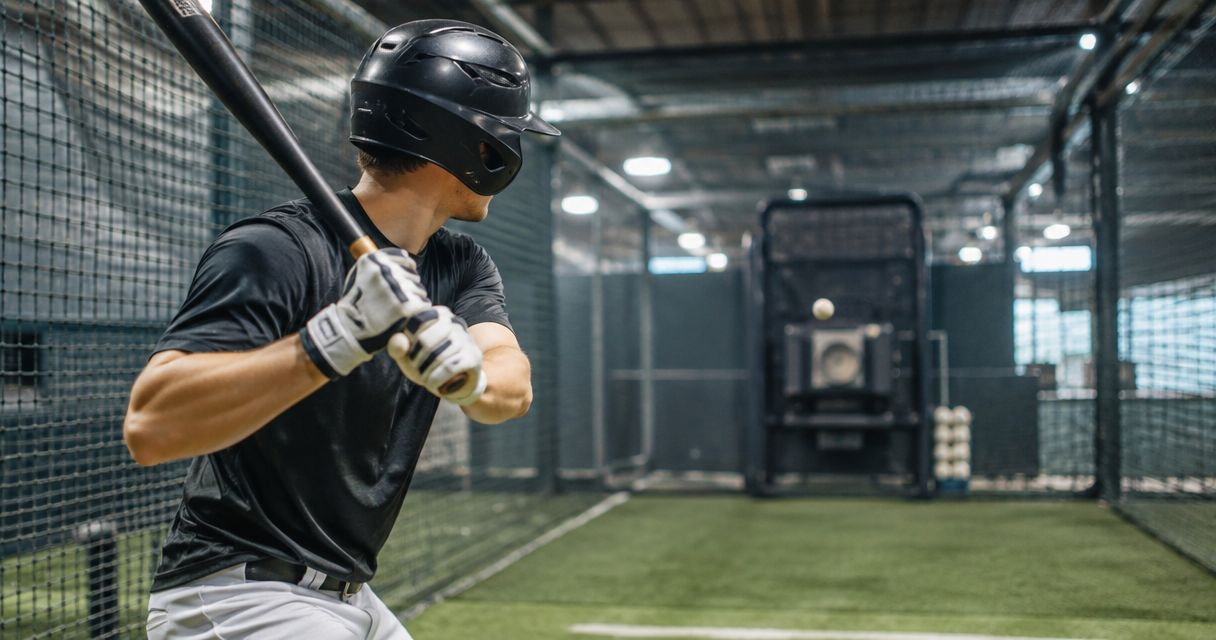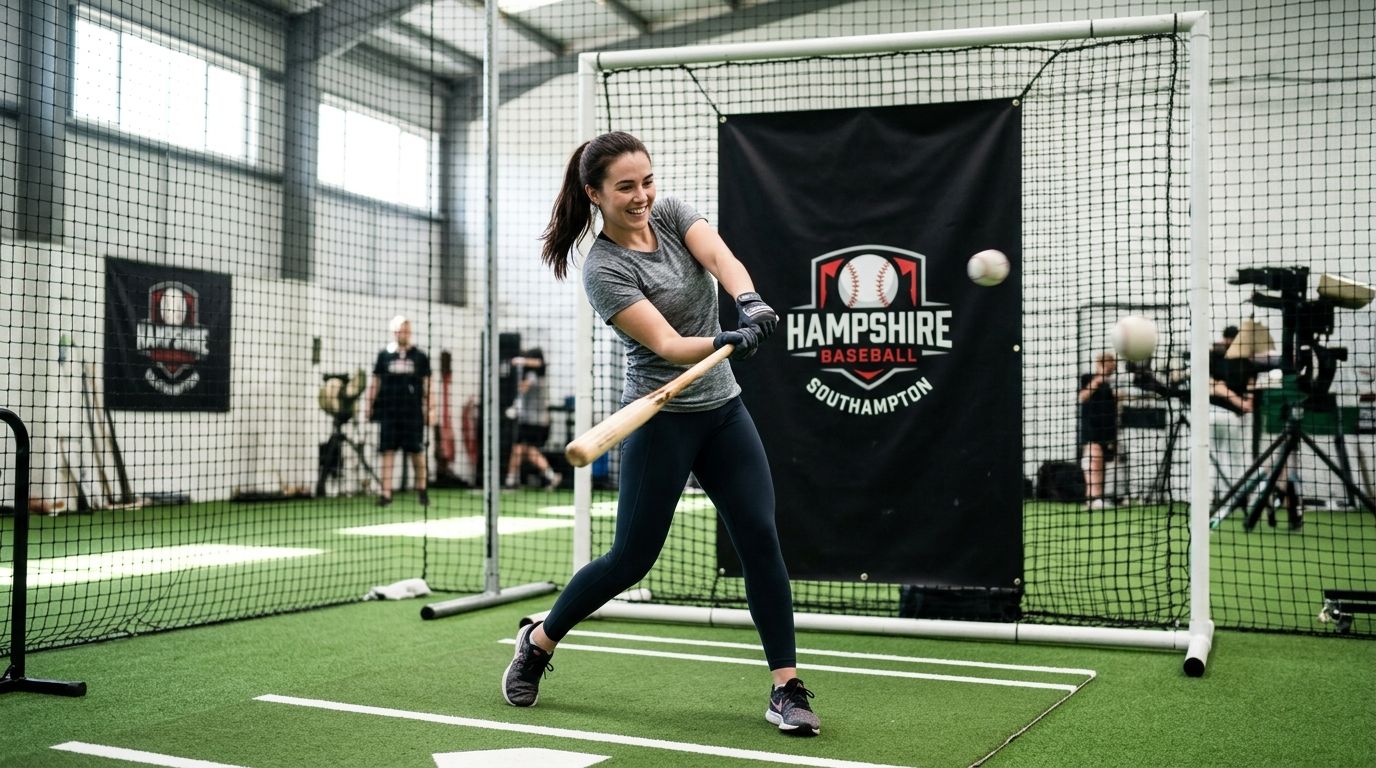
Indoor baseball for beginners in Southampton is a batting cage session built around slow-pitch settings, short instruction and zero pressure — the aim is a good swing and a good laugh, not a scouting report. First-timers need shorter sessions, simpler stance coaching and a group setting that doesn't punish a missed swing, which is exactly what separates a beginner cage visit from a league practice.
- Indoor baseball beginners in Southampton should start on the slowest cage setting and focus on stance before power.
- 1st Base in Southampton city centre runs beginner-friendly batting cage sessions alongside shuffleboard, ping-pong and foosball.
- Groups of mixed ability do better in cages than solo drop-ins because nerves settle faster with friends watching.
- Most beginner mistakes in 2026 come from swinging too hard before the stance is set, not from lack of talent.
Why this matters
Beginners searching for indoor baseball in Southampton in 2026 aren't looking for a training facility — they're looking for something to do on a Friday night that doesn't require a baseball background. The category exists because groups want an activity with a learning curve shallow enough that everyone gets a turn and a story, whether that's a birthday, a team building night out or a first date. A cage session that assumes prior experience loses that audience in the first five minutes; a cage built for beginners keeps them swinging.
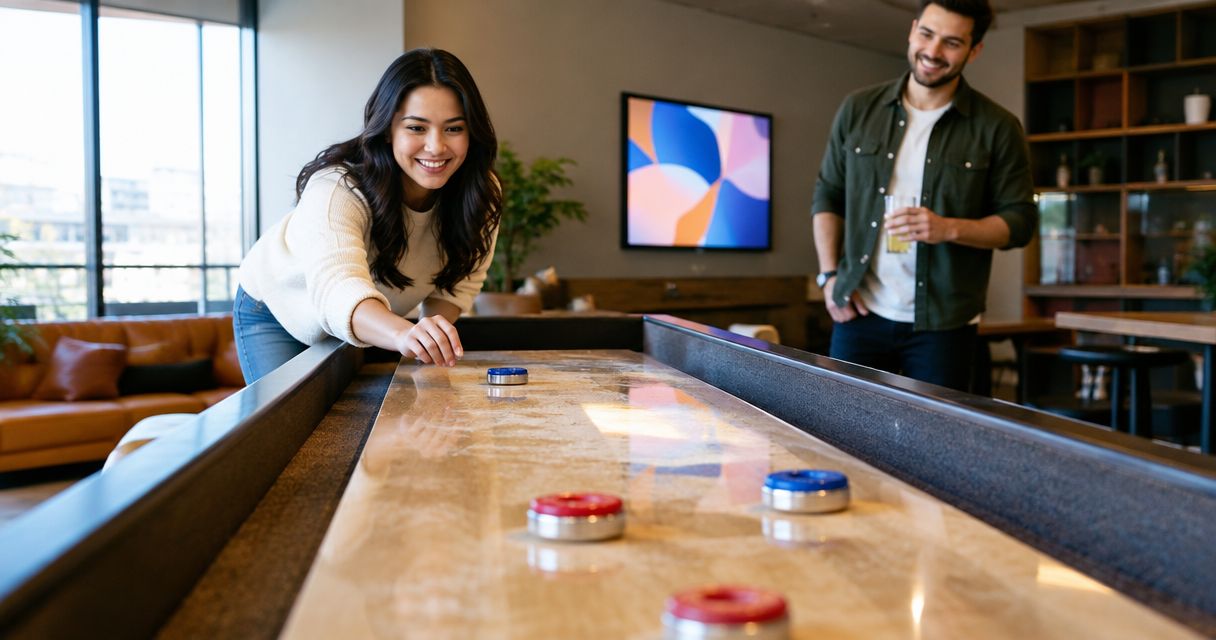
Southampton's activity-bar scene leans heavily on group bookings rather than solo gym-style practice, so the venues that do beginner instruction well tend to bundle it with other games — shuffleboard, ping-pong, foosball — so nobody's stuck at the cage for an entire visit. 1st Base runs its batting cage this way: a station in a bigger night out, not the whole night out.
How to actually get good at this (the beginner spine)
Book a session sized for your actual group
The biggest variable in a beginner's first cage visit isn't skill — it's who's standing around watching. Solo drop-ins can feel exposed; a group spreads the attention and the nerves.
- Bring 4-8 people so turns come round quickly without long waits
- Mix confident and nervous swingers in the same group — confidence is contagious
- Book ahead for weekend evening slots, which fill first
- Tell the venue it's a first-timer group so staff can pitch instruction accordingly
Warm up your swing before the pitching machine starts
Cold muscles and a first swing at a moving ball is how beginners whiff and get discouraged in the first minute.
- Loosen shoulders and wrists for a minute before stepping in
- Take two or three practice swings with no ball
- Roll the neck and stretch the lower back — most of the swing power comes from hip rotation, not arms
- Skip the coffee jitters right before your turn if you can help it
Get the stance right before you worry about power
Every beginner wants to swing hard immediately. Stance comes first because a bad base makes even a good swing miss.
- Feet roughly shoulder-width apart, knees slightly bent
- Weight balanced, not leaning back on the heels
- Bat held with both hands, knuckles roughly aligned
- Eyes on the release point, not the ball's expected path
Start on the slowest pitch setting the cage offers
Major league fastballs cross the plate north of 90mph — nobody expects a beginner to track that, and no beginner cage session should try. Dropping the speed all the way down first builds timing before anything else.
- Ask staff to set the machine to its lowest speed for your first five pitches
- Judge timing, not contact quality, on those first swings
- Move up a setting only once you're making regular contact
- Resist the urge to "prove yourself" by requesting a faster setting early
This is the point where a well-run venue becomes the faster path rather than a DIY YouTube crash course: staff at 1st Base can adjust settings and give a quick pointer between swings, which a solo practice session at a public cage usually can't offer. If you want a fuller rundown before you show up, the guide on preparing for your first batting cage session covers what to wear and what to expect.
Track contact, not distance
Beginners fixate on how far the ball goes. That's the wrong metric for week one — consistent bat-on-ball contact matters far more than power.
- Count how many of ten pitches you make clean contact with
- Note whether misses are high, low, early or late — that tells you what to adjust
- Ignore anyone (including yourself) keeping score on distance
- Celebrate contact streaks, not home runs
Rotate through the other games so the session doesn't get stale
A 45-minute cage-only session tires most first-timers out mentally before their swing improves. Splitting time keeps energy up.
- Alternate cage turns with ping-pong or foosball between rounds
- Use downtime to watch teammates' swings and copy what works
- Keep sessions social — cheering between turns beats silent waiting
- Book the batting cage session as part of a wider group activity rather than the sole event
Book your next session while the swing is still fresh
Beginners improve fastest with short, frequent repetition rather than one long session. A follow-up visit a few weeks later, while the stance and timing are still half-remembered, locks progress in faster than starting cold again months on.
- Rebook while the group chat is still warm from the first visit
- Use the batting cage session booking guide to lock in a slot without back-and-forth
- Set a small personal goal for session two — better contact rate, faster reaction, whatever felt hardest first time
- Bring one new person each return visit to keep teaching what you just learned
Options for beginners, compared
| Option | Best for | Key limitation |
|---|---|---|
| Solo drop-in cage session | First-timer curiosity, no group needed | No shared energy, more self-conscious swings |
| Small group session (birthday, date night) | Mixed skill levels, low pressure | Peak evening slots need booking ahead |
| Corporate or team session | Team building, icebreakers | Less one-on-one coaching per person |
| Recurring practice visits | Building real consistency over 2026 | Bigger time commitment than a one-off night out |
Verdict: a small group session at a beginner-friendly cage like 1st Base wins for first-timers in Southampton — it spreads the nerves across the group and pairs the cage with other games so nobody's stuck swinging alone for an hour.
Book your first batting cage session
Bring a group of 4-8 to 1st Base in Southampton city centre.
Common mistakes beginners make
- Swinging as hard as possible on the first pitch. Power without timing is just a bigger miss — contact comes first, force comes later.
- Skipping the stance basics because it "looks simple." A poor base undoes an otherwise decent swing every time.
- Requesting a faster pitch setting to save face in front of the group. Nobody remembers who picked the slow setting; everyone remembers who whiffed on the fast one.
- Booking a cage-only session with no other games. Beginners tire out mentally faster than they tire out physically — mixing in shuffleboard or foosball keeps the night moving.
- Treating one session as the whole journey. A single visit teaches the stance; a second visit a few weeks later is what actually builds the swing.
FAQ
Is indoor baseball hard for complete beginners in Southampton?
No — beginner cage sessions start on the slowest pitch setting, so the difficulty curve is deliberately shallow. Most first-timers make regular contact within their first ten to fifteen swings once the stance basics are in place.
What should I wear to a beginner batting cage session?
Closed-toe shoes and clothes you can swing freely in are the only real requirements. There's no special kit needed for a beginner session in 2026 — bats and gear are provided at the venue.
How many people should come to a beginner batting cage session?
Groups of four to eight work best because turns come round quickly and nerves settle faster with friends around. Solo drop-ins are fine too, but most first-timers prefer the group energy.
Do I need any baseball experience to book a cage session?
No prior experience is needed — beginner sessions are built assuming nobody in the group has swung a bat before. Staff typically walk through stance and grip before the pitching machine starts.
What's the difference between a beginner session and a league practice?
A beginner session runs on slower pitch settings with basic stance coaching and is usually paired with other bar games. A league practice assumes existing swing mechanics and focuses on repetition rather than instruction.
Can kids join a beginner batting cage session in Southampton?
Family-friendly cage sessions are common for group activity venues in Southampton, with settings adjusted for younger or less experienced swingers. Check with the venue directly on age policies for a specific booking.
How long does a beginner batting cage session last?
Session length varies by venue and booking type, so confirm the exact duration when you book. Most beginner groups pair a cage rotation with other games rather than spending the whole visit at the cage.
What's the best indoor baseball venue for beginners in Southampton?
1st Base in Southampton city centre runs a batting cage alongside shuffleboard, ping-pong and foosball, which suits beginners who want instruction without a full session locked to just one game.
One last thing
The fastest way beginners improve isn't more swings in one session — it's two shorter visits spaced a few weeks apart. The stance memory fades if you wait months between sessions, but a follow-up while it's still half-fresh in 2026 locks in progress a single long session never will.