Hosting a team building night out comes down to three decisions: one activity everyone can join regardless of skill, a private or semi-private space if the group is over 15, and a fixed 2-3 hour window instead of an open-ended evening. Get those three right and the rest — food, drinks, timing — sorts itself out. Get them wrong and half the team ends up standing at the bar while the other half plays darts.
- Pick one shared activity like a batting cage or shuffleboard table instead of a multi-stop itinerary — fewer moving parts, fewer no-shows.
- Book a private space for groups over 15 so the team isn't sharing lanes or cages with walk-in customers.
- Cap the night at 2-3 hours — longer than that and people drift to the bar and stop joining in.
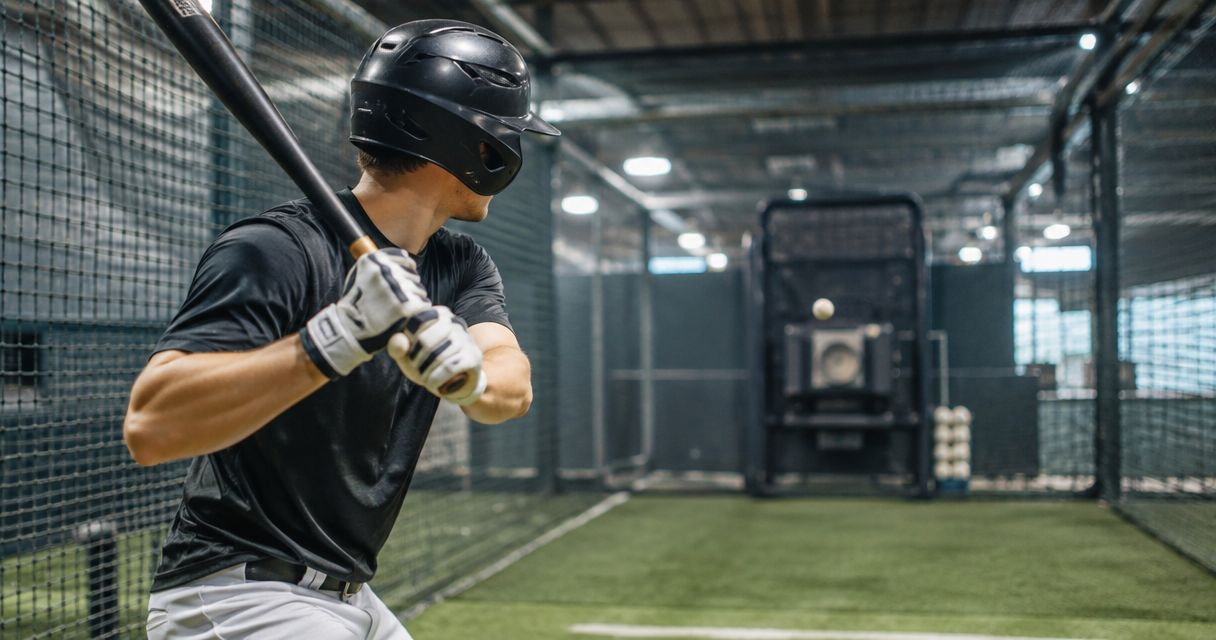
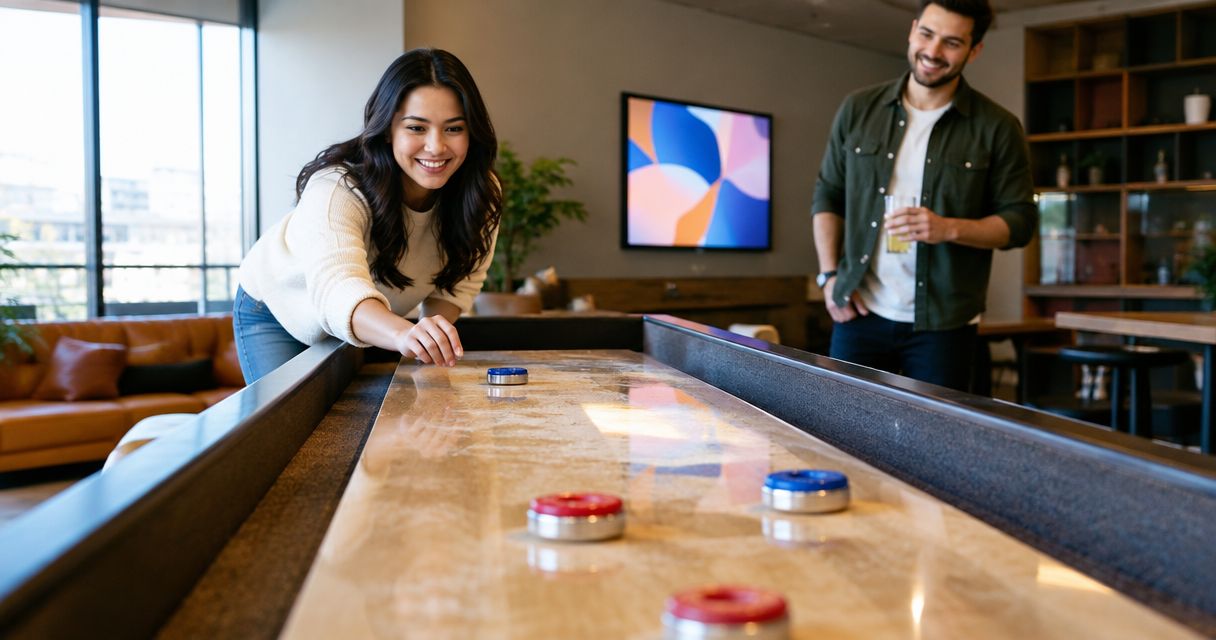
- 1st Base in Southampton combines a batting cage, shuffleboard, ping pong and foosball under one roof, which suits mixed-ability teams.
- Confirm headcount and dietary needs 48 hours out — venues holding tables for groups need firm numbers, not estimates.
Why this matters
Most team building nights fail for the same reason: too many options, no clear start time, and an activity that only half the room can actually play. A quiz night alienates anyone who didn't do well at school trivia. A standard pub crawl gives you nothing to do except drink and talk to the same three people you sit next to at work. Neither builds anything.
The fix isn't more planning — it's less. One activity, one time slot, one clear invite. Organising a corporate team night out in Southampton works best in 2026 when the format is simple enough that a new starter and a 15-year veteran can join the same game without either one feeling out of place.
How to host a team building night out
Follow these steps in order and you'll have a plan ready inside a day:
- Set headcount and budget range first. Everything else — venue size, activity choice, food — depends on this number, so lock it before you book anything.
- Pick one anchor activity everyone can join regardless of skill. Shuffleboard, foosball, ping pong and batting cages all work because nobody needs prior experience to have a go.
- Book a private or semi-private space for groups over 15. Sharing lanes with regular customers means half your team waits around instead of playing.
- Choose a 2-3 hour block, not an open-ended evening. A defined end time keeps energy up; an open night lets people quietly leave early.
- Send one message with time, address and dress code. Skip the poll — a single confirmed plan gets more people to actually show up than three options nobody votes on.
- Confirm dietary requirements and final numbers 48 hours before. Venues holding a table or a batting cage slot for a group need a real number, not "around 20, maybe."
- Assign one point of contact for the night. Someone needs to check the group in, handle last-minute changes, and answer questions so the organiser isn't fielding texts mid-event.
Team building nights for small teams: up to 12 people
A team of 12 or fewer doesn't need a booked-out room — one shared table or a single batting cage session covers the whole group without splitting anyone off. Group activities built for corporate team building work well here because a small group can rotate through one or two games without a schedule. Verdict: skip the private hire, book a shared slot, and keep the format loose.
Team building nights for large teams: 20+ people
Once a team passes 20 people, one activity stops being enough — you need rotation. Split the group into smaller units and move them through activities in heats: batting cage for 20 minutes, then shuffleboard, then foosball, so nobody stands around waiting their turn. Shuffleboard nights built for office teams in Southampton are set up exactly this way, with tables sized for rotating groups rather than one long queue. Verdict: book private space and rotate — a single activity for 20+ people creates a bottleneck.
Why the right format varies
The format that works for one team fails for another. These are the factors that actually change the plan:
- Team size — under 12 people can share one activity; over 20 needs rotation or a split space.
- Skill and confidence spread — a mix of ages and experience levels needs a low-barrier activity, not one that rewards existing expertise.
- Budget per head — this decides whether you're booking a private room, a shared space, or a simple table reservation.
- Time of year — December and January get booked out fastest for work socials, so lead time matters more in those months.
- Competitive vs social mix — some teams want a scoreboard, others just want a room to talk in; forcing one on the wrong group flattens the energy.
- Dietary and access needs — confirm these before booking, not after, so nobody is scrambling for options on the night.
“One activity everyone can join beats five options nobody agrees on.”
What's the best activity for a team building night out?
An activity with a low skill floor — shuffleboard, foosball, ping pong or a batting cage — works best because nobody needs prior experience to join in immediately. Foosball tournaments run for corporate groups in Southampton are a common 2026 pick because a bracket format gets everyone playing within the first 20 minutes rather than sitting out a round.
How long should a team building night out last?
A team building night out should run 2-3 hours — long enough to play a full activity and eat or drink, short enough that energy doesn't flatten. Anything past three hours tends to split the group as some people leave early and the rest lose momentum.
Do team building nights need to be competitive?
No, competition is optional and depends on the team — some groups want a scoreboard, others just want a shared activity without stakes. Games like shuffleboard and batting cages work either way, since you can run them as a friendly bracket or let people play at their own pace.
FAQ
What's the best activity for a team building night out?
A low-skill-floor activity like shuffleboard, foosball or a batting cage works best because everyone can join in immediately regardless of experience. Activities that reward existing skill tend to leave part of the group watching instead of playing.
How long should a team building night out last?
2-3 hours is the right length — enough time for one activity plus food or drinks without the group's energy dropping off. Longer nights tend to split as people leave in stages.
Do team building nights need to be competitive?
No, competition is optional. Some teams want a scoreboard and a bracket, others prefer a relaxed shared activity with no stakes attached.
How many people can a private team building venue in Southampton hold?
Capacity depends on the venue and the activity, and private hire spaces are generally built for groups larger than a shared table can comfortably fit. Check the venue's group booking page for current capacity.
What's a good alternative to a pub crawl for a work social?
An activity-based social such as shuffleboard, foosball or a batting cage session gives the group something to actually do together instead of just moving between bars. It also works better for mixed groups who don't all drink.
How far in advance should you book a team building night out?
Book at least two to three weeks ahead for a group over 15, and earlier still in December when work socials fill venues fast. Smaller groups can often book with less notice.
Is a team building night out worth it if half the team doesn't know each other?
Yes, a shared activity is often more effective than a dinner for teams that don't know each other well, because playing something together gives people a reason to talk that isn't forced small talk.
What should you avoid when planning a team building night out?
Avoid open-ended polls, activities with a steep skill curve, and events with no fixed end time. All three reduce turnout and flatten the energy of the night.
One last thing
The detail most organisers skip is the single point of contact. Without one, the venue's questions on the night — table changes, a late arrival, a dietary swap — land on whoever happens to be nearest the bar, and that person stops enjoying the event they organised. Assign it before the night starts, not during it.
1st Base in Southampton city centre runs batting cage sessions, shuffleboard, ping pong and foosball in one space, which removes the rotation problem for 2026 groups that want more than one activity in a single booking.
Book your team's night out
Check availability for group and private bookings in Southampton.