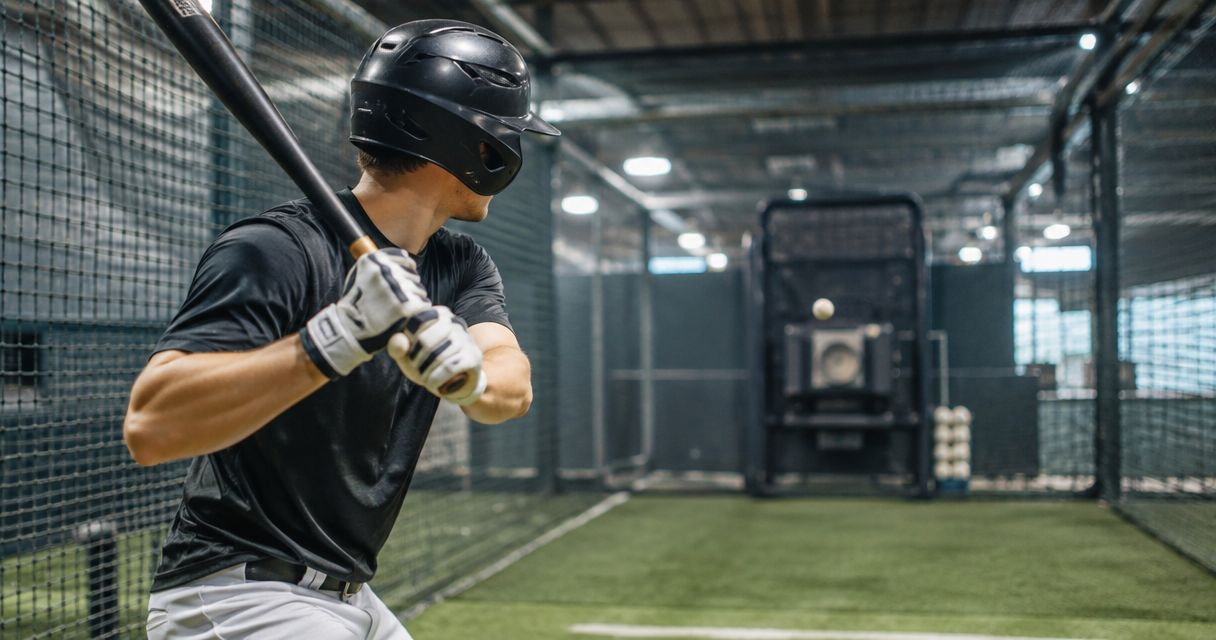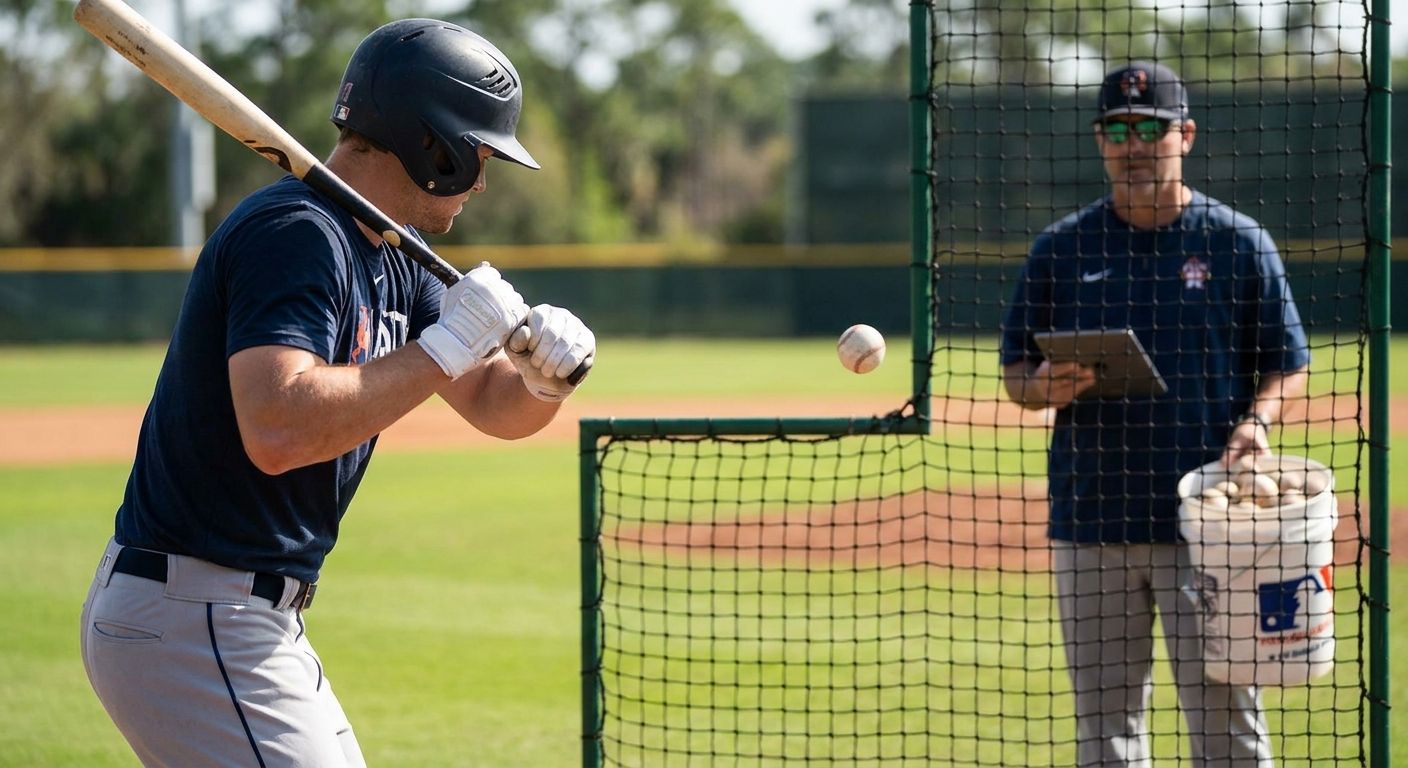
Batting cage performance comes down to four fixable things: stance, timing, pitch-speed progression and rep consistency. Fix the setup before you fix the swing and you'll see cleaner contact within a session or two, whether you're at 1st Base in Southampton or any indoor cage.
- Start every batting cage session on a slower pitch speed and build up rather than starting at match pace.
- A stable, shoulder-width stance with knees slightly bent fixes more mis-hits than any grip change.
- Short, focused 10-15 minute reps beat one long session for batting cage tips that actually improve performance.
- Watching the ball out of the machine's arm instead of the plate cuts late swings fast.
- 1st Base's batting cage lets you dial in pitch speed and reps without match-day pressure.
Why this matters
Most people who leave a batting cage frustrated aren't lacking talent — they're skipping the boring parts. Stance, timing and pitch-speed selection matter more than raw power, and none of them cost you anything extra at the machine.
Going into 2026, group bookings and birthday parties at batting cages are climbing fast, which means more first-timers stepping up to the plate with zero coaching. A few small adjustments before your first swing turn an embarrassing 2026 outing into a genuinely good one.
How to improve batting cage performance
Work through these in order. Skipping stance and grip to jump straight to swing speed is the single biggest reason people plateau at a batting cage.
- Set your stance first. Feet shoulder-width apart, knees slightly bent, weight balanced on the balls of your feet. A stance that's too narrow or too upright throws off every swing that follows.
- Check your grip and hands. Hands together near the bottom of the bat, not choked up unless the bat feels too heavy to control. A loose top hand causes more mis-hits than any pitch-speed setting.
- Track the ball from the machine's arm, not the plate. Your eyes should pick up the ball the moment it leaves the pitching arm. Watching the plate area means you're already reacting a split second too late.
- Start slow, then raise the pitch speed. Begin on the machine's lowest or beginner setting for the first few rounds of every session, even if you played last week. Bat speed and timing both need to warm up before you chase a faster pitch.
- Swing through the ball, not at it. A short, compact swing that finishes through contact beats a long, looping swing aimed just at the ball. This one change alone fixes a huge share of pop-ups and weak grounders.
- Log your reps and repeat weekly. Performance in a batting cage improves with frequency, not intensity. Two 15-minute sessions a week beat one long session most people can't sustain past March.
If you're heading into your first proper visit, preparing for your first batting cage session before you arrive saves you from wasting your first five minutes just figuring out the machine.
Batting cage setup checklist
| Element | What to check | Common mistake |
|---|---|---|
| Stance | Shoulder-width, knees bent | Standing too upright and stiff |
| Grip | Hands together, relaxed | Choking the bat too tight |
| Eyes | Track ball from the arm | Watching the plate instead |
| Pitch speed | Start low, build up | Jumping to max speed round one |
| Swing path | Short and level | Long, looping uppercut |
Why batting cage performance varies
No two sessions feel the same, and that's normal. The factors below explain most of the swing-to-swing inconsistency people notice at a batting cage in 2026:
- Warm-up habits — cold hands and a stiff back slow your bat speed for the first several pitches of any session.
- Pitch speed setting — jumping straight to a fast setting before your timing adjusts causes a run of mis-hits that has nothing to do with skill.
- Bat weight and grip fit — a bat that's slightly too heavy drags your swing late; too light and you'll overswing.
- Mental focus and nerves — stag dos, birthday groups and corporate outings all bring pressure that tightens the swing without the batter noticing.
- Experience level — a first-time batter and someone who plays weekend league ball need different starting pitch speeds, full stop.
- Fatigue — the last few rounds of a long session almost always show worse contact than the first few, which is exactly why shorter, more frequent sessions win.
“If your bat feels like it's chasing the ball, slow the pitch speed until your swing catches up.”
What's the best batting stance for beginners?
The best beginner stance is shoulder-width feet, slightly bent knees, and weight balanced rather than leaning back on the heels. This gives a beginner enough balance to react to the pitch without needing to reset their feet mid-swing. Adjust from here once contact starts feeling consistent, not before.
How often should I practice at a batting cage to see improvement?
Two short sessions a week produce more visible improvement than one long session, because timing and stance adjustments need repetition, not duration. Fifteen to twenty focused minutes, twice weekly, is realistic for most people through a normal 2026 schedule. Longer sessions are fine for groups and parties, but solo improvement comes from frequency.
Does pitch speed matter more than bat grip for better contact?
Pitch speed matters more early on, because a beginner swinging at a speed above their timing will mis-hit regardless of grip. Fix the speed setting first, get contact consistent, then refine grip and swing path. Grip becomes the bigger factor once a batter is already making regular contact.
Want to put these tips into practice properly? 1st Base runs an American-themed batting cage in Southampton city centre alongside shuffleboard, ping-pong and foosball, so a group can work on swings and still have four other games to fall back on if the cage queue is long.
Book your batting cage session
Practice these tips at 1st Base in Southampton city centre.
FAQ
What's the fastest way to improve batting cage performance?
Fix your stance and start on a slower pitch speed before working up to match pace. Most performance gains in 2026 come from timing and setup, not from swinging harder.
Is a slower pitch speed better for beginners?
Yes, beginners should start on the lowest available pitch speed and increase it once contact becomes consistent. Jumping straight to a fast setting causes mis-hits that have nothing to do with actual skill.
How much does batting cage practice help a real swing?
Regular cage practice improves timing, contact consistency and confidence, all of which carry over to live pitching. It won't replace game reps entirely, but it sharpens the mechanics that matter most.
What's a common mistake people make in a batting cage?
Watching the plate instead of the ball leaving the machine's arm is the most common mistake. It delays reaction time just enough to cause late, weak contact.
Do I need my own bat to practice at a batting cage?
No, most indoor batting cages including 1st Base provide equipment on site, so you can turn up and start practising straight away. Bringing your own bat only matters once you have a strong grip preference.
How long should a batting cage session last?
A focused 15 to 20 minute session is enough to see improvement, especially if repeated twice a week. Longer sessions work well for group visits and parties where turns are shared.
Can kids use the same batting cage tips as adults?
Yes, the same fundamentals apply to kids and adults: balanced stance, watching the ball early, and starting on a slower pitch speed. Age only changes the recommended starting speed setting, not the technique.
Is 1st Base's batting cage good for beginners?
1st Base's batting cage in Southampton is built for mixed-experience groups, so beginners and regular players can adjust pitch speed to suit their own level. It sits alongside shuffleboard, ping-pong and foosball for groups that want more than one activity.
One last thing
The detail most people skip is the warm-up round. Your first five or six swings of any session are almost always your worst, regardless of skill level, because your hands and timing haven't caught up to the pitch yet. Treat your first round at a lower speed as throwaway practice, not a real attempt, and your actual scoring rounds after that will look noticeably better through 2026 and beyond.