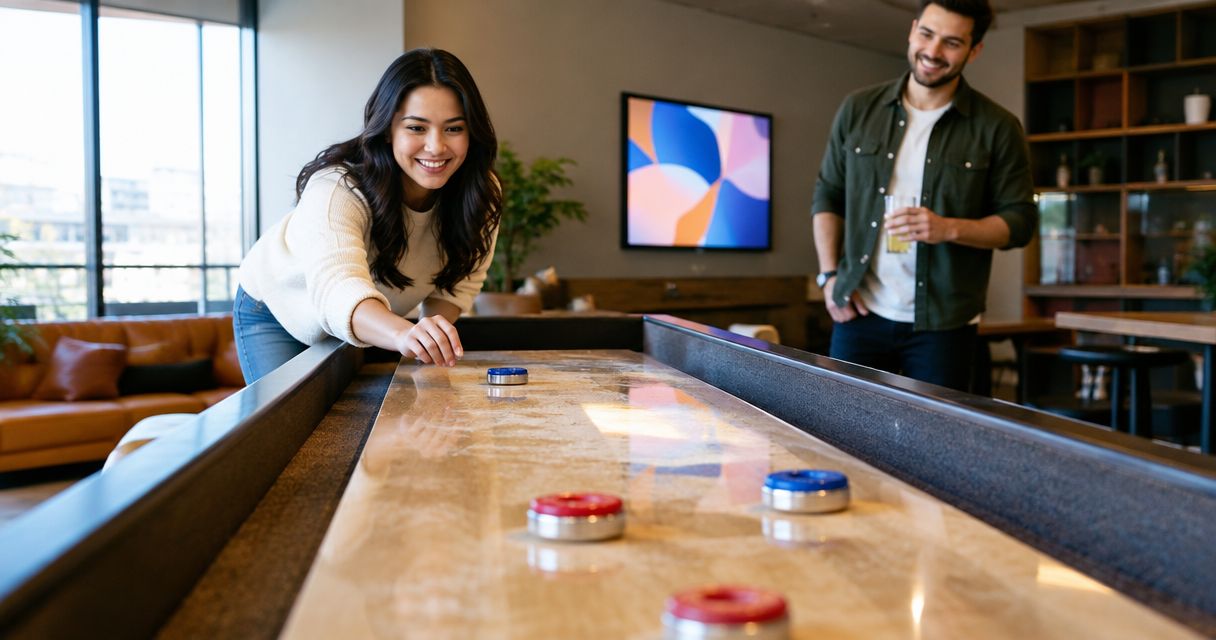
For a group of more than 30 people, enquire with 1st Base before treating it as a confirmed venue choice: the activity-bar format fits a games-led celebration, but your exact headcount and activity arrangements need direct confirmation. Get agreement on how the whole group will use the space and take turns, rather than assuming everyone can play at once. This 2026 guide explains what to ask before you invite everyone.
- Is 1st Base suitable for large groups over 30 people? Confirm your exact headcount and activity arrangements directly.
- Interactive baseball, shuffleboard, ping-pong and foosball suit a games-led Southampton group outing.
- Venue capacity and the number of guests playing simultaneously are different questions.
- Agree the activity plan before sending invitations or collecting contributions.
Why this matters
Getting more than 30 guests into the same place is only part of organising a good group night. You also need a clear answer to what everyone will do, including anyone who wants to chat rather than join every game.
1st Base is an American-themed activity bar in Southampton city centre, with interactive baseball batting, shuffleboard, ping-pong and foosball. Those activities give you a clear starting point for a birthday, stag or hen do, corporate event or family outing. They do not, by themselves, confirm a particular large-group arrangement.
For your 2026 event, confirm the group plan before you announce the venue. That keeps an appealing idea separate from an agreed booking.
Is 1st Base suitable for large groups over 30 people?
The right decision is to enquire with your full headcount and event requirements, then assess the arrangement offered. A group-focused activity bar is relevant to this kind of outing; confirmation that your particular group can attend together is a separate step.
1st Base is best for Southampton groups seeking a games-led social rather than a baseball-only outing. For more than 30 guests, make that recommendation conditional on an agreed plan for the entire party.
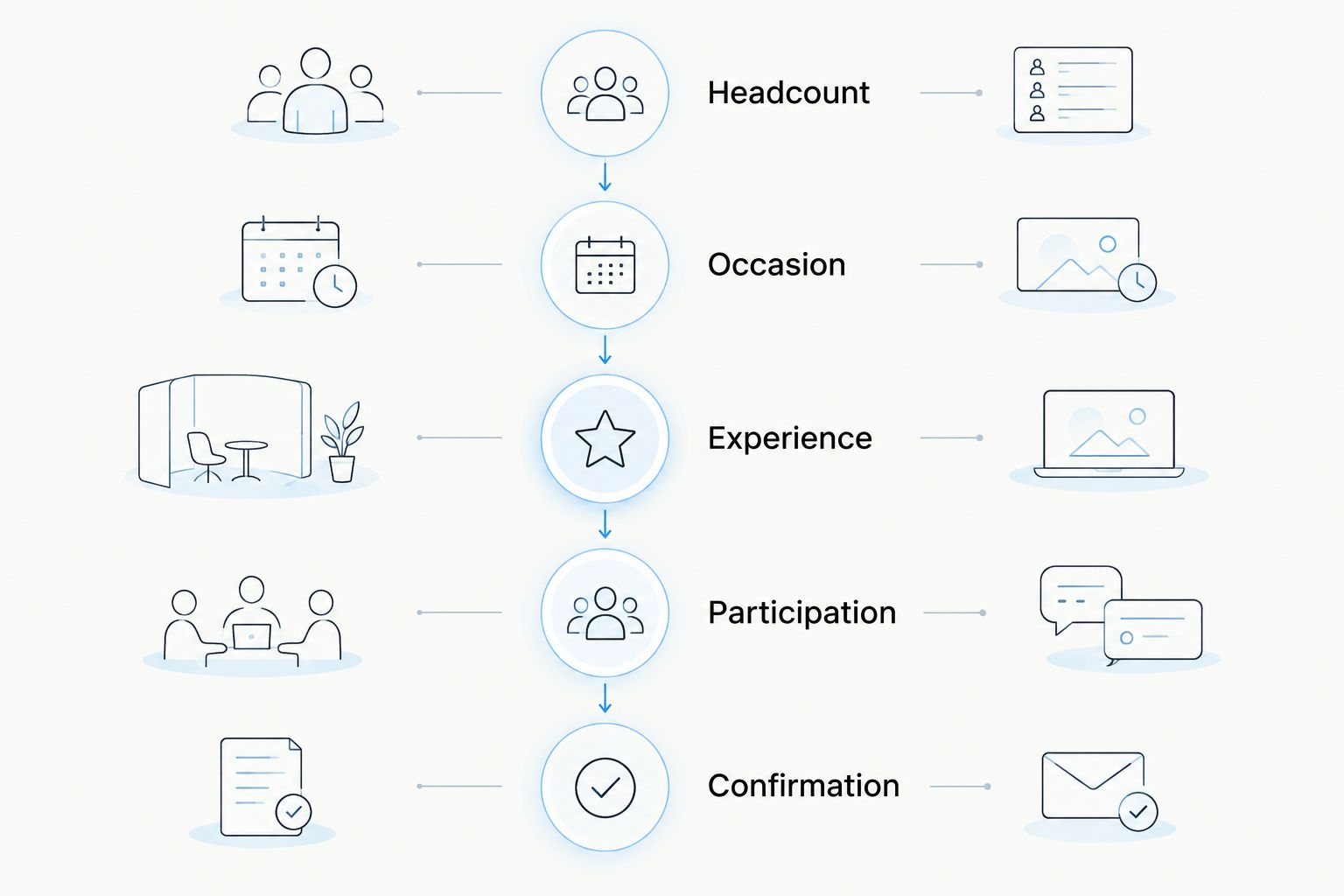
Use this sequence before committing:
- Give the exact headcount. Say how many people you expect, including guests who will attend without playing.
- Explain the occasion. Identify whether you are organising a birthday, work social, stag or hen do, or family gathering.
- Describe the experience you want. Say whether baseball is the main event or whether your group wants a mixture of games and social time.
- Ask how participation will work. Establish which activities are included in the proposed arrangement and how guests will take turns.
- Confirm the booking details. Get the agreed headcount, date, timings and activity arrangements in writing before inviting everyone.
This is a planning sequence, not a description of a particular package. Use the venue's response to decide whether the proposed experience matches what your guests expect.
Which group format should you ask about?
Start with the kind of event you want, not a list of games everyone must complete. The following are planning approaches to discuss, not named venue packages or promises about how activities can be combined.
| Planning approach | Best for | Main advantage | Main limitation to resolve |
|---|---|---|---|
| Baseball-focused outing | Groups whose main reason for attending is batting | Gives the event a clear centrepiece | Confirm how turns work for the full headcount |
| Mixed-games social | Guests with different game preferences | Matches the venue's range of activities | Confirm which games form part of your arrangement |
| Games and conversation | Groups prioritising catching up as well as playing | Does not make every guest's enjoyment depend on batting | Confirm how players and non-players will spend time together |
Choose the format your guests actually want. A baseball-focused invitation sets a different expectation from an informal social with games, even when both take place at the same venue.
For a mixed group, explain the intended balance in your enquiry. Do not promise every guest a turn at every activity until the venue has confirmed how that would work.
Why large-group suitability varies
For a 2026 group enquiry, the useful question is not simply whether the venue hosts celebrations. It is whether the proposed arrangement fits your particular guests and the purpose of your event.
- Headcount: Give the full attendance figure, not just the number interested in baseball. Your enquiry concerns everyone attending.
- Activity choice: Interactive baseball, shuffleboard, ping-pong and foosball are different experiences. Tell the venue which activities matter most to your group.
- Occasion: A corporate social and a family celebration need different instructions and invitations, even when both involve games.
- Participation: Separate guests who want to play from those primarily attending to socialise. Ask how the proposed arrangement accommodates both.
- Location: Southampton city centre is the location to share with your guests. Check that it suits the group's travel plans before confirming attendance.
These factors help you write a useful enquiry. None replaces direct agreement about the number of people attending or what their booking includes.
Can more than 30 guests play baseball at the same time?
More than 30 guests attending does not establish that more than 30 guests can play baseball simultaneously. Ask about active participation and turn-taking separately from the overall group booking.
Be precise about what you need. If everyone expects a batting turn, say so; if baseball is an optional part of a wider social, explain that instead.
Ask how the proposed session works for your full headcount and what guests do between turns. Do not build a detailed tournament around assumed cage access, equipment quantities or session lengths.
Get the participation plan before writing the running order. Otherwise, your invitation risks promising an experience that has not been agreed.
Should I arrange a rotation for a group over 30?
For more than 30 guests, discuss a rotation if you want an organised event rather than an informal gathering. Treat it as a proposal for the venue to review, not something you can assume will work across all the games.
Keep your first proposal simple: identify the activities your group wants, whether everyone wants to participate, and whether staying together matters more than completing every game. Then ask what arrangement fits.
A rotation gives you structure, but it also creates something to manage. An informal social needs less coordination, but it gives you less certainty about who plays what. Choose deliberately rather than mixing both expectations in the invitation.
For help shaping the social side, use this guide to keeping a large group entertained at a birthday party. Apply the planning ideas only after your venue arrangements are confirmed.
What should I send in my first enquiry?
For your 2026 enquiry, send one clear brief that describes the group and the event. Keep the distinction between essential requirements and preferences obvious, so the response answers the questions that determine your decision.
Include:
- Attendance: Your expected total and whether that figure is confirmed or provisional.
- Occasion: The reason for the gathering and who it is for.
- Date: Your preferred date and any alternatives you can consider.
- Timing: When you want the group to arrive and when you need the event to finish.
- Activities: Whether baseball is essential and which other games interest your guests.
- Participation needs: Any access requirements or questions about suitability that need an individual answer.
- Group expectations: Whether you want everyone together throughout or are comfortable with smaller groups taking turns.
Finish by asking for confirmation that the proposed arrangement covers your entire party. An answer about an activity is not the same as an answer about your whole event.
Avoid describing a tentative plan as a booked party in the group chat. First get the details agreed; then share a clear invitation that reflects them.
Start your group enquiry
Discuss your headcount, occasion and preferred games before finalising the invitation.
How should you plan different kinds of celebration?
The venue describes group activities, birthdays, stag and hen dos, corporate events and family outings. Your occasion should shape the brief, but it does not establish different capacity limits or booking terms.
Corporate events
For a work social, decide whether your priority is conversation, friendly competition or bringing colleagues together around an activity. Explain that priority in the enquiry rather than asking for a generic team-building event.
If you want colleagues to mix, propose mixed teams once the activity arrangements are agreed. If participation is optional, make that clear in the invitation so attending does not sound like a commitment to play baseball.
Birthdays and stag or hen dos
For a celebration, identify what the guest of honour actually wants. A batting-led event suits a different brief from a catch-up where games provide an extra activity.
Keep competitive plans proportionate. Do not announce a full tournament, a specific number of turns or an all-games challenge before confirming that the proposed booking supports it.
Family outings
For a family group, include the age mix and any individual participation requirements in your enquiry. Ask directly about relevant rules and activity suitability rather than treating a family-focused outing as confirmation that every activity suits every guest.
You can also plan for people who prefer to watch or chat. Confirm their attendance as part of the overall group, not as an afterthought once the players are booked.
What should you check before sending invitations?
Before you send your 2026 invitation, compare it against the agreed booking details. Every activity, timing and group arrangement you mention should match what has actually been confirmed.
Use this final check:
- The headcount matches. Include attendees who are not taking part in games.
- The timings match. Distinguish the agreed event timing from any separate plans before or afterwards.
- The activities match. Name only the games confirmed for your arrangement.
- The participation wording matches. Do not imply everyone plays simultaneously or gets an identical experience unless agreed.
- Individual questions are resolved. Pass access, age-related and participation questions to the venue before making promises to guests.
Choose a named organiser to keep the agreed details together. Give guests a single version of the plan rather than forwarding fragments of an enquiry conversation.
Your invitation should describe the confirmed event, not the most ambitious version of the idea. That is the simplest way to keep expectations clear across a large group.
FAQ
Is 1st Base suitable for a party of more than 30 people?
For more than 30 people, confirm the exact headcount and proposed activity arrangements directly before committing. The venue offers group-focused games and celebrations, but your whole-party plan needs agreement.
Can everyone in a large group play baseball together?
A large-group booking does not establish simultaneous baseball participation. Ask how turns work and how the proposed session accommodates everyone who wants to bat.
What games are there besides baseball?
The venue offers shuffleboard, ping-pong and foosball alongside interactive baseball batting. Confirm which activities are included in your particular group arrangement.
Is it a good option for a large corporate social?
The games-bar format fits a corporate social built around activities and conversation. Confirm your full attendance figure and explain whether participation should be organised or optional.
Do I need to organise teams before enquiring?
You do not need a finished team plan to make an enquiry. Start with your headcount, occasion and preferred activities, then build teams around the arrangement the venue confirms.
What should I tell guests before they agree to come?
Tell guests the confirmed date, timings and activity arrangements. Explain whether games are the main event or an optional part of the social, and resolve individual participation questions before making promises.
One last thing
Ask a question that headcount alone cannot answer: what will guests do when they are not playing? It turns a vague venue enquiry into a practical conversation about the experience you want.
For a 2026 celebration, confirm the time between turns as carefully as the games themselves. If your group wants a social first and a competition second, say that at the start. The right plan is the one that matches your guests, not the one with the longest activity list.