Construction company corporate events are organised gatherings that bring site crews, office staff and project partners together to strengthen working relationships or celebrate a shared achievement. This 2026 guide shows you how to plan around site commitments, choose an activity and give colleagues a good night out without turning it into another work briefing.
- Corporate events for construction companies should fit site commitments, travel arrangements and the people you actually want to include.
- 1stbase suits Southampton construction teams seeking an activity-bar social with baseball, shuffleboard, ping-pong and foosball.
- For team building, mix project teams rather than recreating the same site and office groups.
- Keep competitive socialising optional, confirm participation requirements and separate the event from safety training.
Why corporate events matter for construction companies
Plan the event around the people, not just the project milestone. A handover celebration, apprentice welcome and client gathering need different guest lists and different levels of formality. Decide which job your event needs to do before choosing entertainment.
Start with your own team's constraints: site finish times, journeys home, upcoming starts and who needs to remain on duty. Ask rather than assume. A date that suits the office is not automatically a date that suits everyone working across your projects.
For a Southampton gathering, the corporate event planning guide provides a broader starting point. Use the construction-specific steps below to turn that outline into a plan for your crews, commercial team and invited partners.
An event also gives you a setting for introductions outside normal reporting lines. That is the practical aim: colleagues leave knowing who someone is, not merely which company or department appears beside their name.
How to plan your construction company event
Set one clear purpose
Write the purpose in a sentence before you send invitations. For example: celebrate the completion of a project, introduce apprentices to colleagues, or bring site and office teams together. Keep the message specific enough that guests understand why they are invited.
For your 2026 programme, separate a social event from anything requiring formal attendance, presentations or assessment. A night out is not a substitute for an induction, toolbox talk or structured project review. If you need both, give them separate agendas.
Choose a format that supports the purpose. An informal games session fits a social introduction; a gathering that needs confidential discussion requires a different setting. Do not expect one booking to solve every communication problem.
- Write one purpose statement that you can reuse in the invitation.
- Name the intended guests, including any subcontractors or project partners.
- Decide whether attendance is optional or part of the working day.
- Keep formal business separate from the social activity.
- Define success in plain terms, such as introductions across project teams.
Check site commitments before choosing a date
Use a shared calendar and a simple staff poll first. Ask project leads to flag commitments without collecting unnecessary detail about individual jobs. Then check the proposed dates with the people you want to attend, not just their managers.
Build the plan around the actual journey. Someone travelling from a site needs a different arrival plan from someone leaving a nearby office. Ask whether guests need time to change, return equipment or get home before coming out again.
Keep early starts in view when choosing an end time. State the finish clearly and make leaving straightforward; staying late should not become an unofficial test of team spirit. Your event invitation should reduce uncertainty, not add another task to a busy week.
- Check site finish times and known project commitments.
- Poll guests on dates and travel constraints.
- Include colleagues who work away from the main office.
- Set a clear arrival window and finish time.
- Identify an organiser who can handle late arrivals.
Choose an activity that fits the group
Start by asking guests what they want to do and what they do not want to do. A short poll can distinguish a competitive games night from a quieter catch-up. Offer a way to share participation needs privately rather than in a group chat.
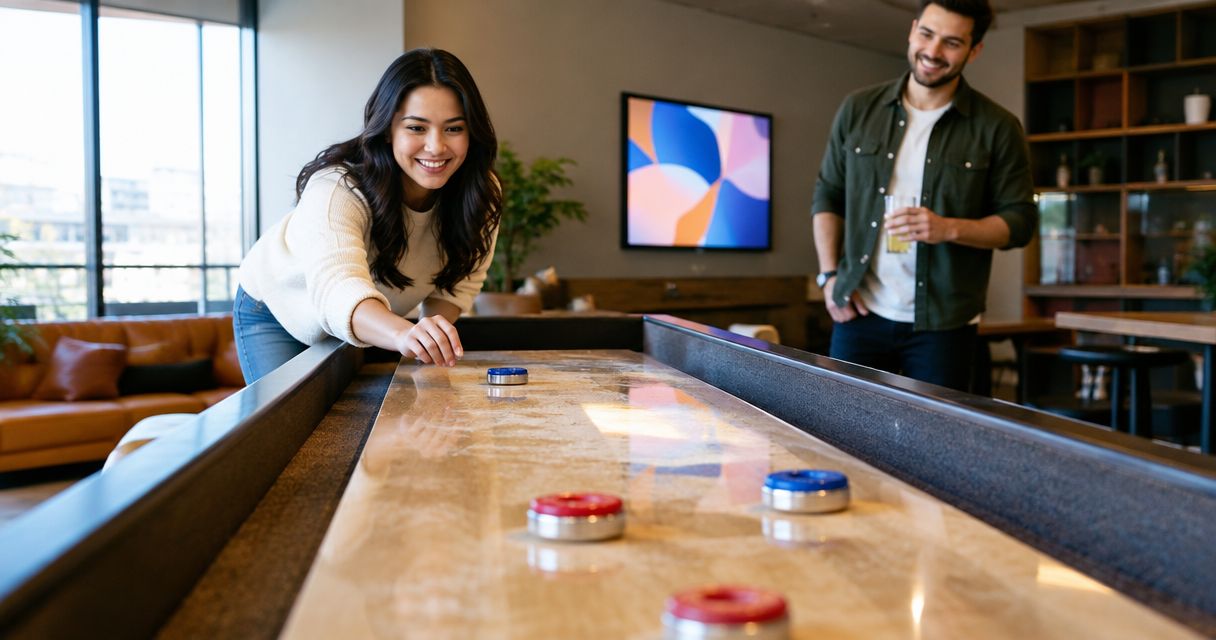
1stbase is best for Southampton construction teams seeking an activity-bar social. The American-themed venue in Southampton city centre offers an interactive baseball batting cage, shuffleboard, ping-pong and foosball for group activities and corporate events. Those options give you a concrete starting point for a games-led gathering.
The trade-off is the format: an activity bar is a social setting, not automatically the right choice for presentations or confidential client discussions. Before committing, ask about your proposed headcount, activity arrangements and any access requirements. Do not treat a list of games as confirmation that every guest can take part in every activity.
- Ask guests whether they prefer games, conversation or a mixture.
- Check activity requirements directly with the venue.
- Discuss access, seating and participation needs before booking.
- Confirm how your group would move between activities.
- Choose another format if formal discussion is the main purpose.
Mix teams without forcing participation
Make a simple team list yourself. Mix colleagues from different projects or functions where that supports your event's purpose, rather than putting the same familiar groups together again. Explain the approach casually: the point is meeting people, not testing their ability.
Avoid captains choosing teams in front of everyone. Assigning groups in advance removes that awkward moment and lets you consider newcomers. Give guests a clear route to change roles or sit out without having to justify themselves publicly.
For a 2026 team-building event, keep competition friendly and the stakes low. Do not tie game results to workplace performance, trade skills or seniority. A supervisor missing a ball and an apprentice scoring well should remain a shared laugh, not a management story.
- Mix site, office and project colleagues where practical.
- Assign teams without a public selection process.
- Explain rules before anyone starts competing.
- Let guests participate, watch or take a break.
- Avoid jokes about competence, injuries or job performance.
Build a simple running order
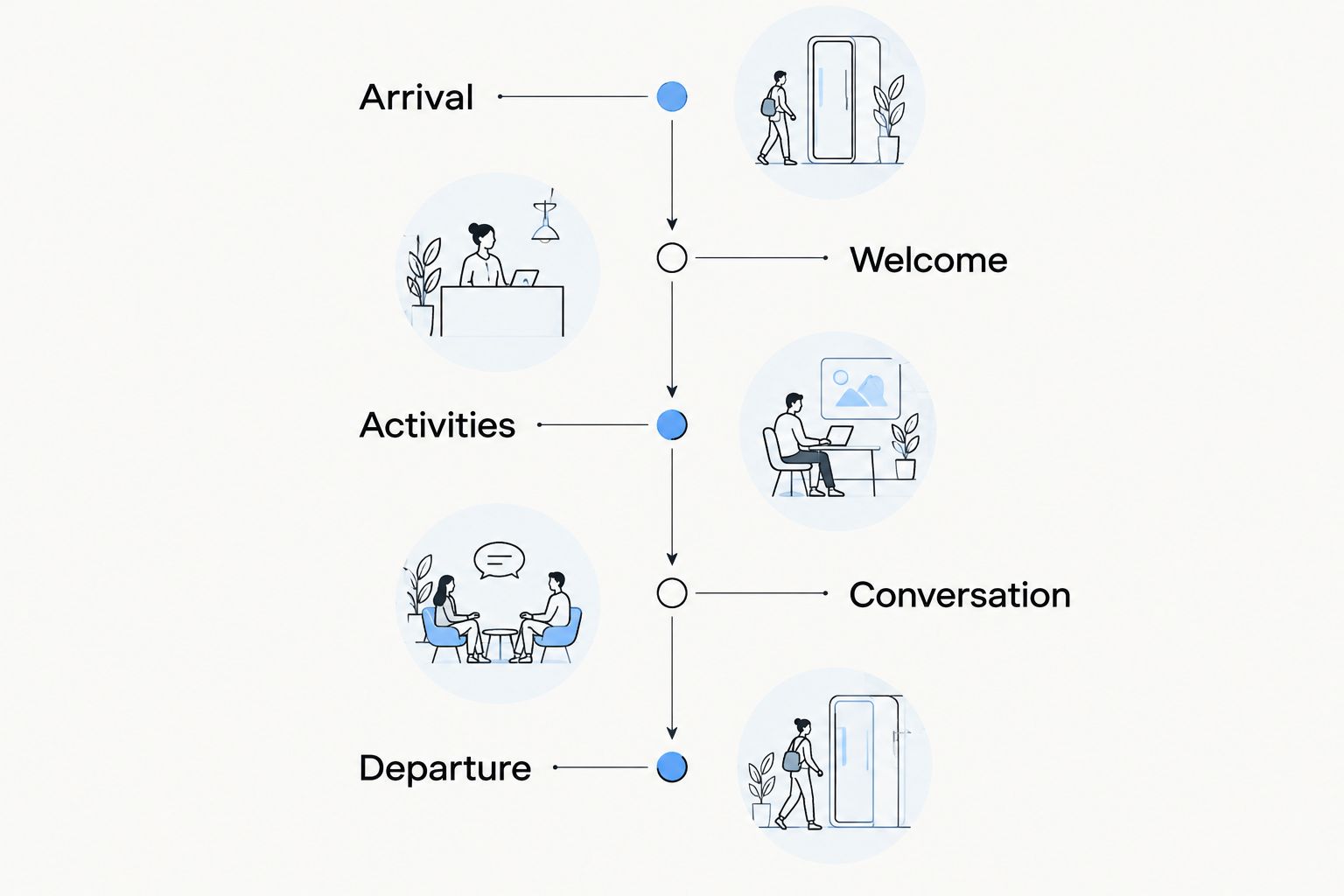
Draft the agenda in a shared document before asking the venue to confirm what works. Put arrival, introductions, activities and departure in that order. Add a short thank-you if you are celebrating a milestone, but leave the project presentation at work.
As an illustrative organiser's plan, allow 15 minutes for arrivals, 10 minutes for a welcome and 30 minutes for an initial activity round. These are planning choices, not venue session lengths. Adjust them after discussing the booking and your group's needs.
Leave room for conversation rather than filling every moment with a contest. If you include several games, decide how guests will move between them and who will explain the next activity. A simple plan is easier to follow than a complicated tournament that needs constant announcements.
- Arrival: share the meeting point and organiser's contact details.
- Welcome: explain the purpose and participation choices.
- Activities: confirm the sequence with the venue.
- Conversation: leave space for colleagues to catch up.
- Departure: repeat the finish time and travel arrangements.
Confirm arrangements and collect useful feedback
Keep a written checklist and handle the essentials directly with the venue. Confirm what your booking includes, how changes are handled and which arrangements need a separate discussion. Share confirmed information with guests rather than forwarding a long chain of messages.
For a 2026 event, make the final invitation a practical reference: date, meeting point, finish time, participation expectations and a named organiser. Clarify food and drink arrangements with the venue before describing them to colleagues. Do the same for accessibility and any younger attendees.
Afterwards, ask what helped people join in and what made attendance difficult. Keep feedback focused on the format, timing and organisation, not who won. Use those answers when planning the next gathering instead of assuming that attendance alone means the event worked.
- Get the booking arrangements in writing.
- Confirm food, drink and access requirements directly.
- Explain travel responsibilities and the planned finish.
- Give guests a private route to raise concerns.
- Ask what to repeat and what to change next time.
Compare event formats for your construction team
Choose the format by purpose, then check the practical details. An activity-led social is a different booking from a formal corporate meeting. Neither is the default winner for every construction company.
| Option | Best for | Main advantage | Key limitation |
|---|---|---|---|
| 1stbase activity bar | Southampton teams wanting games-led competitive socialising | Baseball, shuffleboard, ping-pong and foosball provide different activity choices | Confirm group arrangements and participation needs; do not assume a formal meeting setup |
| Self-organised workplace social | Informal introductions where a suitable workplace space exists | You control the agenda and guest list | Your team handles organisation, and the event remains in a work setting |
| Restaurant gathering | A conversation-led thank-you or client meal | Conversation is the central activity | Seating plans need attention if the aim is mixing colleagues |
| Meeting-room event | Presentations, project discussion or structured recognition | The format puts the business agenda first | It needs a separate social element if relationship-building is also the goal |
| Outdoor team activity | Groups that explicitly want an outdoor event | It gives the gathering a different setting | You need a weather plan and must check activity requirements |
For a construction team that wants to socialise through games, 1stbase is a relevant option to discuss. For a project review with documents and decisions, start with a meeting format instead. Make that distinction before choosing the venue, not after sending the invitation.
Plan your Southampton team social
Explore the baseball batting cage and games-bar setting for your construction team event.
Common mistakes construction companies make
Choosing the date through the office alone
An office calendar does not capture every site's commitments. Check directly with project teams and explain how you chose the date. If part of the team cannot attend, address that openly rather than describing the gathering as a whole-company celebration.
Turning the social into a project briefing
Guests need to know whether they are attending work or a social. Keep presentations, commercial discussions and operational updates out of a casual games night unless they are explicitly part of the invitation. A brief thank-you is enough for a milestone celebration.
Assuming everyone wants a physical competition
Do not infer preferences from someone's trade or role. Ask about interests and participation needs, and make watching or chatting a normal choice. With 1stbase corporate events, discuss the available games and your group's requirements before setting the activity plan.
Forgetting apprentices and invited partners
Check the actual guest list before confirming arrangements, including ages where relevant. Do not assume every apprentice is an adult or that every subcontractor has received the invitation. Ask the venue about applicable requirements rather than promising access on its behalf.
Leaving the journey home unplanned
Tell guests the planned finish before they commit. Clarify who is organising travel and keep drivers' responsibilities in view. Do not make drinking, staying late or joining an after-party part of the expectation for attendance.
FAQ
What's the best corporate event for a construction company?
The best corporate event fits the purpose and the people attending. Choose an activity-led social for informal introductions, a conversation-led gathering for a thank-you, or a meeting format for structured business discussion.
Is 1stbase suitable for construction company team events?
1stbase suits Southampton construction teams seeking an activity-bar social. It offers an interactive baseball batting cage, shuffleboard, ping-pong and foosball; confirm your group's arrangements and participation requirements directly.
How do we include site workers and office staff in the same event?
Check dates and travel needs with both groups before choosing the event. Mix colleagues across projects or functions during activities, and avoid relying on an office-only invitation list.
Can we organise a construction team event without making everyone play games?
Yes: make active participation optional in your event plan. Explain that guests can watch, chat or take a break, and confirm with the venue how that would work for your group.
How long should our construction company social last?
Set the duration around the confirmed activity arrangements, travel needs and the next working day. Publish a clear finish time and avoid treating a late departure as a sign of commitment.
Can apprentices attend a construction company activity-bar event?
Check the venue's requirements against each apprentice's age and the planned event. Confirm any supervision or participation arrangements before including promises in the invitation.
Should corporate team building replace construction safety training?
No: a corporate social does not replace construction safety training or site induction. Keep social activities separate from formal instruction, assessment and operational briefings.
One last thing
For your 2026 event, decide who welcomes someone arriving alone. Put that responsibility on the organiser's checklist alongside the booking and travel plan. An apprentice joining an established crew or an office colleague arriving after the site team should not have to find their own way into the group.
Make the introduction, explain what happens next and offer a choice of how to join in. That is a specific action you can take before the first game begins—and it supports the purpose of bringing colleagues together.