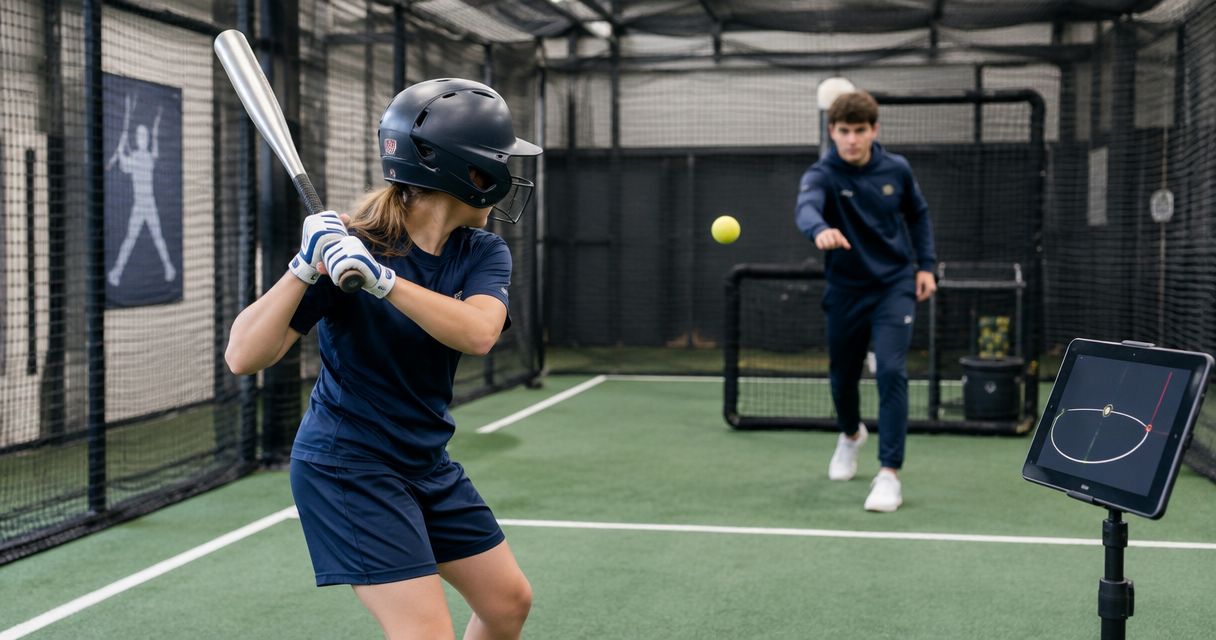
Southampton school batting cage taster session is a one-off group activity with the aim of giving pupils an accessible introduction to indoor batting. Schools need a fixed timetable, clear supervision and a rotation plan; start with this Southampton batting cage booking guide when planning a 2026 visit.
- For a school batting cage taster session Southampton planners should fix headcount, supervision and rotations before booking.
- Southampton schools should treat the batting cage as a rotation activity, not a whole-class activity.
- Pair batting with another game so pupils remain involved while waiting for their turn.
- Confirm age suitability, accessibility, session format and school-hours availability directly with the venue.
- Build travel, arrival and pupil briefing time into the 2026 school timetable.
Why a batting cage taster matters for Southampton schools
A batting cage gives pupils a different striking-and-fielding experience from a normal PE lesson. It can support an enrichment day, after-school club, reward trip or leavers' event without asking the school to build a long programme around an unfamiliar activity.
The indoor setting removes weather from the decision. That matters when a 2026 school calendar already has fixed lesson periods, transport arrangements and permission deadlines. Rain can disrupt an outdoor activity, but it does not change an indoor booking.
The main constraint is throughput. One pupil bats while others wait, watch or use another activity, so the quality of the visit depends on the rotation rather than the confidence of the strongest hitter. Teachers need to know who is batting, who is supervising and what the rest of the group is doing at every stage.
A school also has different safeguarding and administrative needs from a birthday group. The educational visits lead may need venue details, transport information, emergency contacts, medical notes and a completed risk assessment before approval. Collect those items before announcing the trip to pupils.
How to plan a Southampton school batting cage taster
Complete the school-side planning before choosing a final slot. The venue can answer questions about its activity, but it cannot set your supervision policy, collect consent or organise transport.
Confirm your group before contacting the venue
Start with the pupils, staff and support needs involved. A precise headcount gets a useful answer; a rough estimate creates repeated emails and timetable changes.
Separate pupils by age if the visit includes more than one year group. Record additional needs privately through the school's normal process, then ask the venue specific questions without sharing unnecessary personal information.
- Confirm the pupil and staff headcount
- List the school years attending
- Identify mobility, sensory or communication requirements
- Name the trip leader and backup contact
- Decide whether the visit is curricular, enrichment or social
Fit the session around the school timetable
Choose the workable part of the day before requesting availability. Include registration, lunch, travel and parent collection rather than treating the activity slot as the entire trip.
Add a 15-minute arrival buffer to your draft schedule. That is a planning allowance, not a promised venue check-in time, and it protects the first rotation when transport runs late.
- Mark the earliest realistic arrival time
- Set a non-negotiable departure time
- Avoid clashes with exams, assemblies and school transport
- Allow time for pupils to store belongings
- Give parents one clear collection time for after-school visits
Brief pupils before the visit
Explain the activity at school so the venue briefing can focus on the batting area. Pupils need to understand that taking turns and following staff instructions are part of the session.
A five-minute classroom briefing can cover stance, grip, safe waiting positions and the rotation. Staff who want a simple activity overview can read this guide to teaching children to hit in a batting cage before speaking to pupils.
- Demonstrate a balanced starting stance without swinging equipment
- Explain who enters the batting area and when
- Ban practice swings in waiting areas
- Set expectations for supportive behaviour
- Tell pupils what clothing and footwear the venue confirms
Build small batting rotations
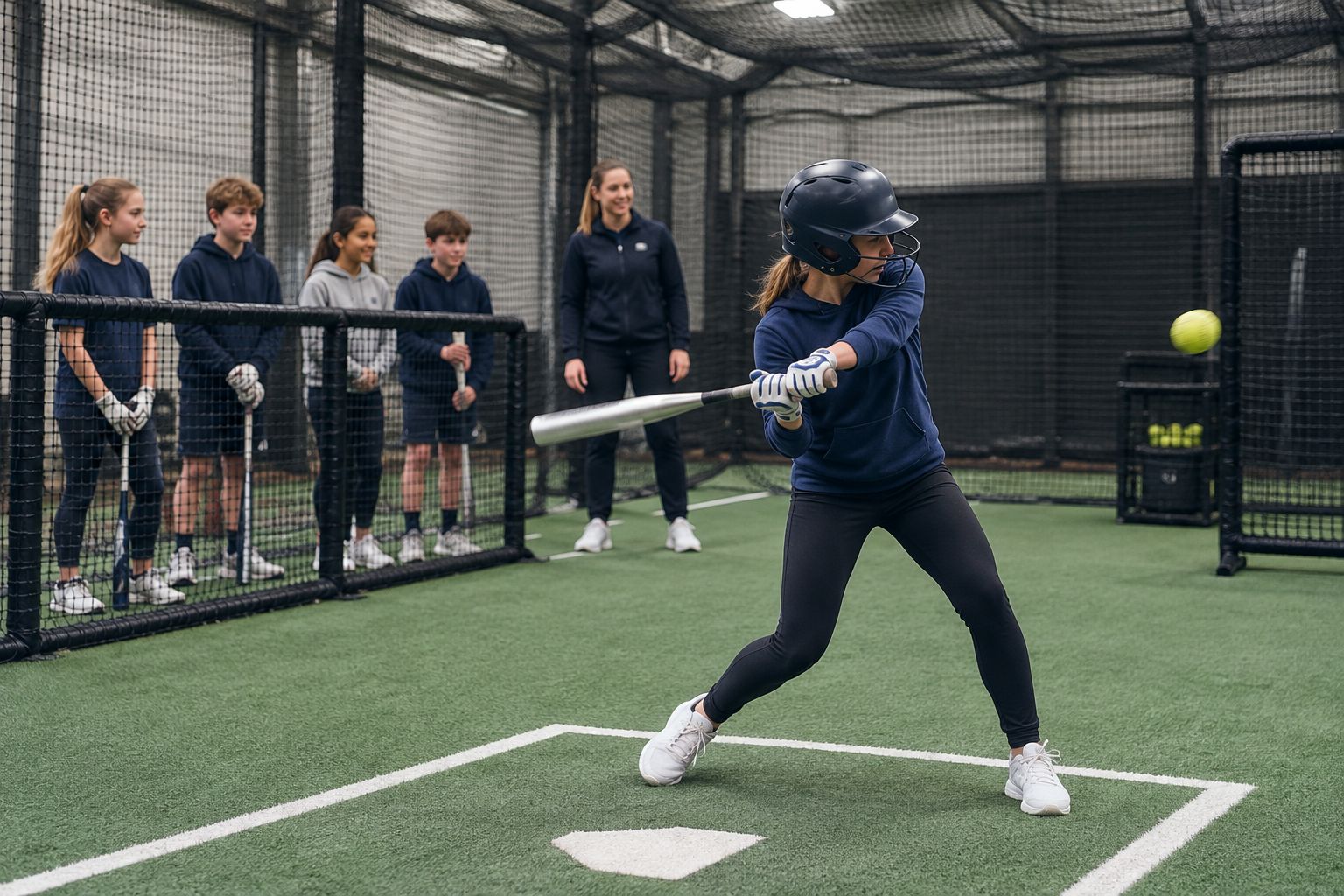
Do not send the entire group towards the cage at once. Create named teams in advance and give every pupil a clear starting point.
Teams of four to six pupils provide a practical starting structure, but the venue must confirm what fits its session format. Give each team the same turn rule so confident hitters do not take extra swings while beginners wait.
- Put pupils into named rotation teams
- Mix confidence levels instead of creating a top group
- Give every team the same batting rule
- Assign one member of staff to control each handover
- Prepare a non-batting role such as scoring or observing technique
Pair batting with another activity
A second activity keeps the visit moving while one rotation uses the cage. This is the point where the venue can simplify a plan that would be difficult to reproduce in a school hall.
1st Base offers an interactive batting cage alongside shuffleboard, ping-pong and foosball. Ask which activities can form part of the school visit, how groups move between them and whether the proposed format suits the pupils' ages.
- Start one team in the batting area
- Place another team on a confirmed secondary activity
- Swap teams at an agreed signal
- Keep staff with the same pupils during transitions
- Leave a quiet alternative for any pupil who needs a break
Check accessibility and sensory needs
Ask direct questions instead of assuming that a standard group format works for every pupil. Access covers the route into the venue, movement between activities, seating, noise, instructions and the pace of each transition.
Use the guide to accessible Southampton activity sessions to structure the conversation. The final decision still belongs in the school's own risk assessment and individual support planning.
- Confirm step-free access where required
- Ask about seating between turns
- Discuss noise and busy periods
- Check whether support staff can remain beside a pupil
- Request clear instructions or additional transition time when needed
Record the outcome after the session
Collect short feedback while the details are fresh. The useful question is not simply whether pupils enjoyed it; staff need to know whether the timing, supervision and rotations worked.
Use a five-point scale for the timetable, pupil engagement and activity balance, then add one free-text question. Save the results with the trip documents so another teacher can plan a later 2026 visit without starting again.
- Record actual arrival and departure times
- Note whether every pupil received a turn
- Check whether waiting pupils stayed involved
- Log any access or communication changes required
- Save one clear recommendation for the next organiser
Comparing activity options for Southampton schools
The right format depends on whether the school wants a one-off experience, a familiar PE lesson or continued coaching. Each option solves a different problem.
| Option | Best for | Main advantage | Key limitation |
|---|---|---|---|
| 1st Base batting cage visit | A one-off indoor group experience | Batting can sit alongside shuffleboard, ping-pong and foosball | Capacity, school-hours suitability and the exact session format require direct confirmation |
| School hall striking session | Schools that need to remain on site | Staff control the timetable and pupil groups | The school supplies the space, equipment and complete session plan |
| Local baseball or cricket club introduction | Pupils interested in continued skill development | Creates a route into ongoing participation | One-off school sessions and suitable dates depend on the individual club |
| General indoor activity venue | Groups prioritising a broad choice of games | Multiple activities can reduce waiting | A batting cage is not guaranteed |
1st Base is best for Southampton schools that want an indoor batting cage taster with other games available for pupil rotations. Its limitation is equally clear: the school must confirm that the group size, timing, access needs and proposed format work before treating the visit as approved.
For a 2026 taster, a dedicated cage visit beats a hall-based imitation when the objective is to let pupils experience the activity itself. A school hall remains the better choice when travel, venue approval or off-site supervision makes a trip impractical.
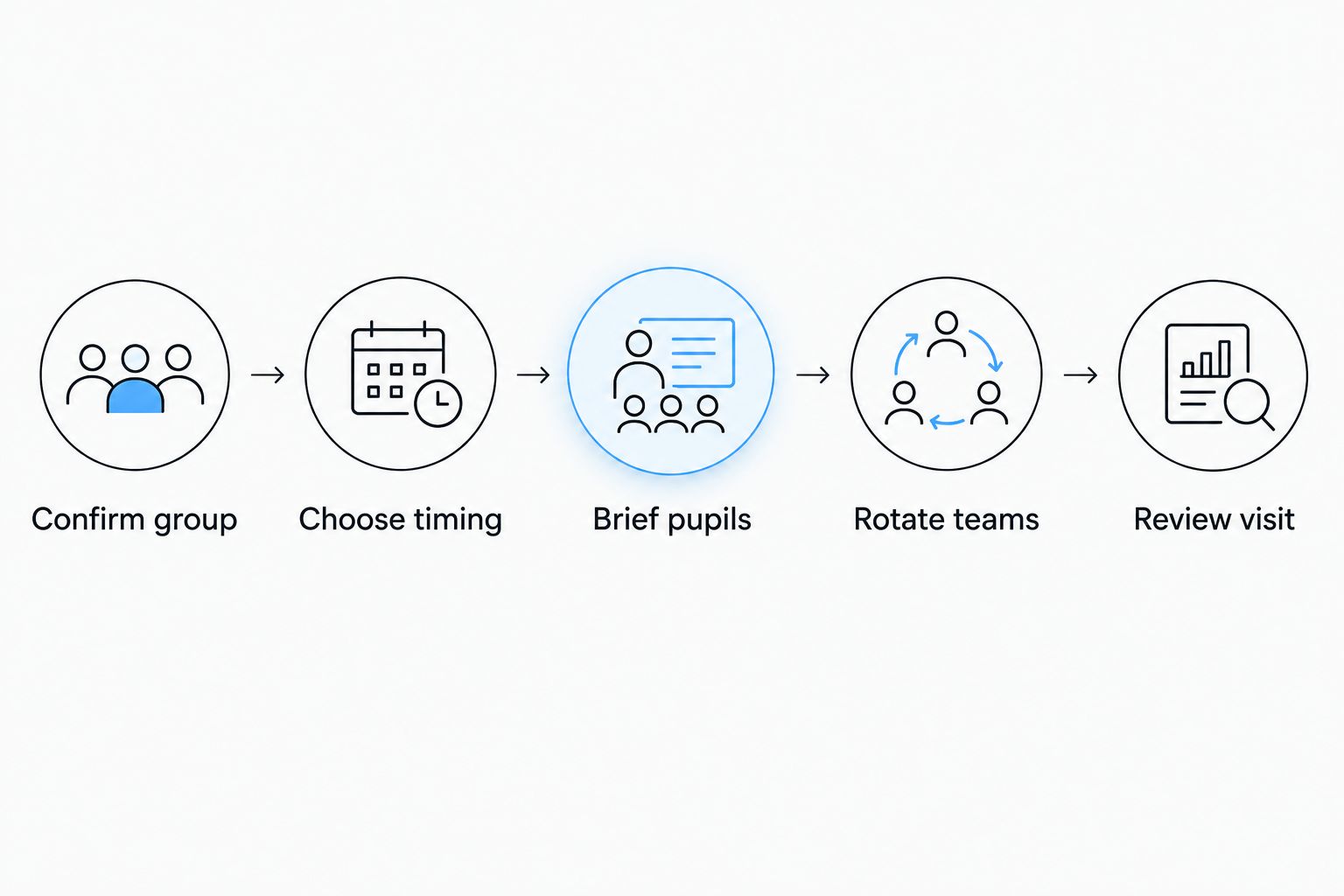
Plan your batting cage visit
Review the booking steps, then confirm group size, timing and suitability directly.
Common mistakes Southampton schools make
Treating the activity slot as the full timetable
Travel, registration, arrival and departure all consume time. Put them into the schedule before checking whether the session fits the school day.
Sending one undivided group to the cage
One batting area needs a rotation. Without named teams and a secondary task, pupils spend more time asking whose turn it is than engaging with the activity.
Assuming the venue owns the risk assessment
The venue supplies information about its space and activity. The school remains responsible for its approval process, pupil information, supervision decisions and emergency arrangements.
Announcing the trip before checking access
A date is not ready to publish until the organiser has checked mobility, sensory and communication requirements. Late changes are harder for the pupil, family, school and venue.
Turning the taster into a performance test
A first session should introduce the activity, not rank pupils by hitting ability. Equal turns and clear encouragement create a better experience for beginners than an elimination contest.
FAQ
Can Southampton schools plan a batting cage taster session?
Yes, a school can plan a one-off batting cage taster, subject to the venue confirming the group size, pupil ages, timing and session format. The school must complete its own approval, consent and supervision process.
Do pupils need baseball experience before a batting cage visit?
No previous baseball experience is necessary for an introductory taster format. Brief pupils on safe waiting, taking turns and following venue instructions before arrival.
How many pupils should be in each batting rotation?
Teams of four to six provide a practical planning starting point, but the venue must confirm the suitable group structure. The important rule is that every pupil receives an equal turn.
Is 1st Base suitable for a Southampton school group?
1st Base has an interactive batting cage and other games, but suitability depends on the specific group. Confirm ages, supervision, access requirements, timing and the available session format directly before seeking final school approval.
How much does a Southampton school batting cage session cost in 2026?
Current charges must be checked directly with the venue because the required format and group details affect the booking request. Do not build a parent payment request around an unconfirmed figure.
What should pupils wear to a batting cage taster?
Ask the venue to confirm its current clothing and footwear requirements before sending instructions to families. Choose practical clothing that allows comfortable movement and follow the venue's confirmed safety guidance.
Can pupils do other activities while waiting to bat?
Yes, a rotation can use confirmed secondary games to keep pupils involved while another team bats. At 1st Base, the listed activities include shuffleboard, ping-pong and foosball, but schools should confirm the available format.
What paperwork does a school need for an off-site taster?
Use the school's existing educational visit process for risk assessment, consent, medical information, emergency contacts and supervision. Requirements differ between schools, so the educational visits lead should confirm the final list.
One last thing
The batting cage is not the full plan; the rotation is. A well-organised 2026 visit gives every pupil a defined team, an equal turn and something useful to do while waiting.
At 1st Base, the presence of shuffleboard, ping-pong and foosball creates possible rotation options, but do not assume every game forms part of every booking. Ask for the exact session structure in writing, match it against the school timetable and only then send details to families.